
Inditex, the Zara owner based in Spain, planned further investment in store refurbishment, technology and online platforms despite a slower start to 2025, Reuters reported on March 12.
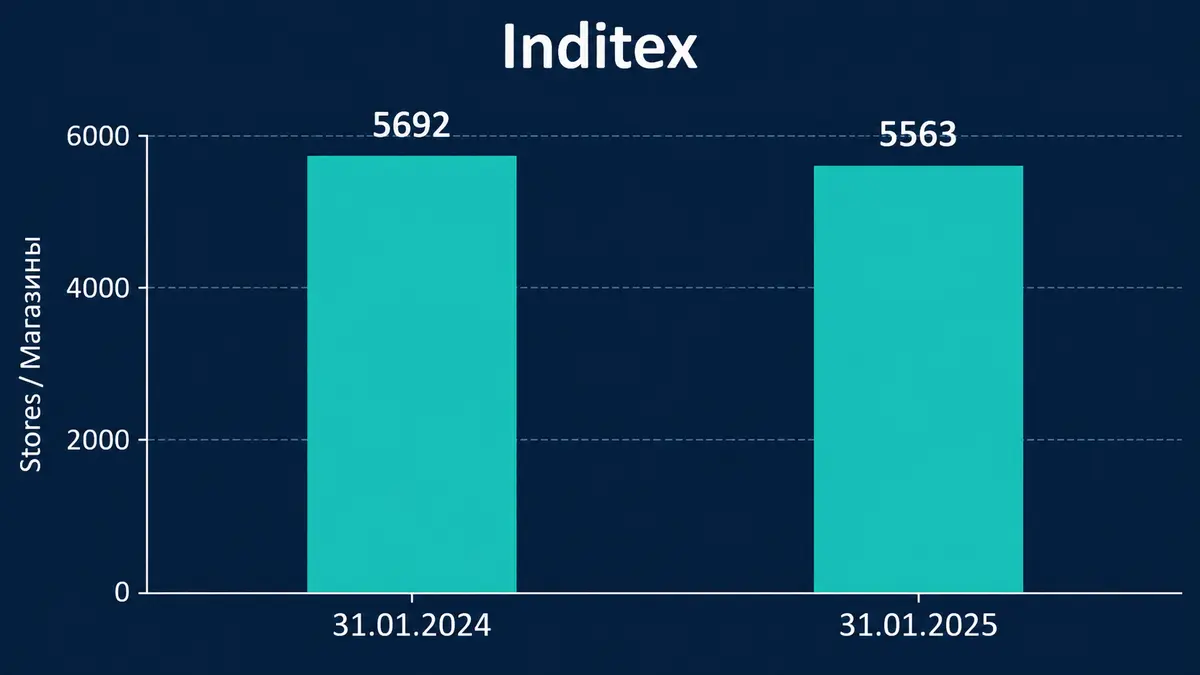
Its FY2024 results showed 5,563 stores on January 31, 2025, against 5,692 a year earlier. Commercial space nevertheless increased 2.0%.
Renewal changes the shape of a network
The combination is a useful reminder that a retail network is more than a list of addresses. A smaller collection of outlets can occupy more space. That makes the practical question one of configuration: where the space sits, how it is arranged and what shoppers can do inside it.
The following discussion is editorial analysis, not a description of individual Inditex property decisions. A retailer considering a larger location might gain room for a wider assortment or a less congested shopping experience. It might also take on a more demanding occupancy commitment. Neither result follows automatically from a larger floor plan.
What the totals leave open
- Does a replacement location remain convenient for customers who used the previous outlet?
- Can the space accommodate collection and returns without obstructing browsing?
- Are the staffing and replenishment arrangements suited to the revised layout?
- Which costs continue during a refurbishment or transition between premises?
These questions concern the operation of a store, not just its opening ceremony. They also explain why counting sites alone can give an incomplete impression of a company's physical retail presence.

Investment has a different clock
A short trading update and a store refurbishment decision answer different questions. The first describes a recent stretch of selling. The second may affect how a location functions for a much longer period. A retailer can therefore examine weak recent momentum without assuming that every longer-term improvement should stop.
That is not an argument for spending regardless of demand. It is an argument for asking what each project is meant to improve. A clearer collection area, a revised stockroom or a better arrangement of merchandise would need its own operational rationale. These are hypothetical examples, not projects attributed to Inditex.
A comparison needs consistent boundaries
Year-end store totals are snapshots. They do not show how long every outlet traded during the year, and they are not a ready-made denominator for estimating the performance of a typical shop. A meaningful productivity comparison would need a consistent period, a defined group of stores and clarity about which sales channels are included.
This article concerns the position presented in March 2025. It does not claim that subsequent investment achieved a particular return or that every closed outlet represented a retreat from its local market. The useful next evidence would connect completed changes to their intended operating benefits, while keeping those results separate from broad sales movements.
Source: Reuters report by Helen Reid and Corina Pons, March 12, 2025.