

Russia’s narrow monetary base reached 22.731 trillion roubles at September-end; the level, amount of increase and percentage are distinct measures.
Economics
Coverage that moves from the first question to a closer examination.

A reported July canning stoppage in Khabarovsk Krai traced back to boiler fuel. Production readiness depends on enabling resources and also product ingredients.

Cheese Keeps Maturing When Demand Changes
Lower production starts can balance future supply without clearing cheese already in the cellar. Existing batches and new market trials need separate plans.

Ordering Near a Volume-Discount Threshold
A discount on every unit can make a larger order cheaper. Compare the complete invoice with excess-stock costs, not just the advertised reduction in unit price.
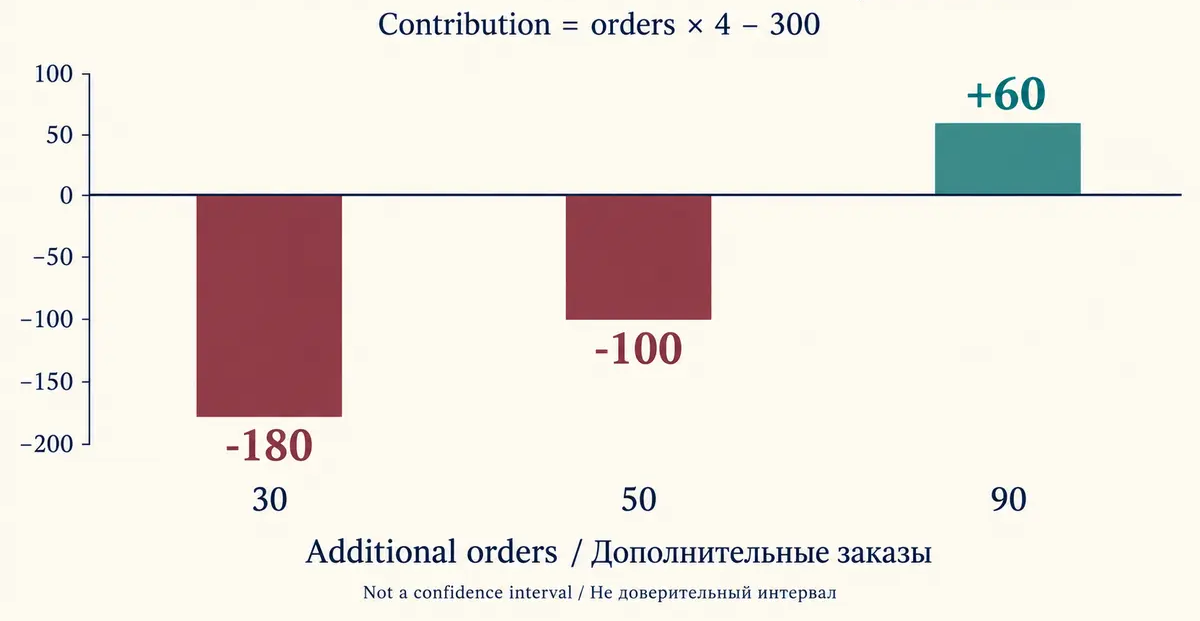
An Advertising Credit Is Not an Extra Order
A fictional randomised comparison follows an estimated order increment through to campaign contribution, keeping attribution counts and statistical uncertainty separate.

The Vacancy That Another Assignment Can Fill
A fictional three-worker plan shows how connected reassignments can fill an extra position, and when missing compatibility makes that improvement impossible.

Where Glass Preparation Pays Its Way
Preparing collected glass before a long journey can change transport costs and acceptance risk. The whole route, not one freight quote, determines the economics.

Why a Shared Fish Stock Changes the Incentive to Catch More
A fictional two-harvester comparison separates immediate revenue from the value of what remains, showing when individual and joint incentives diverge.

The Customers Missing From a Rising Average
Following the same accounts across periods separates continuing purchases, temporary absence and new demand. A rising average cannot explain those movements alone.
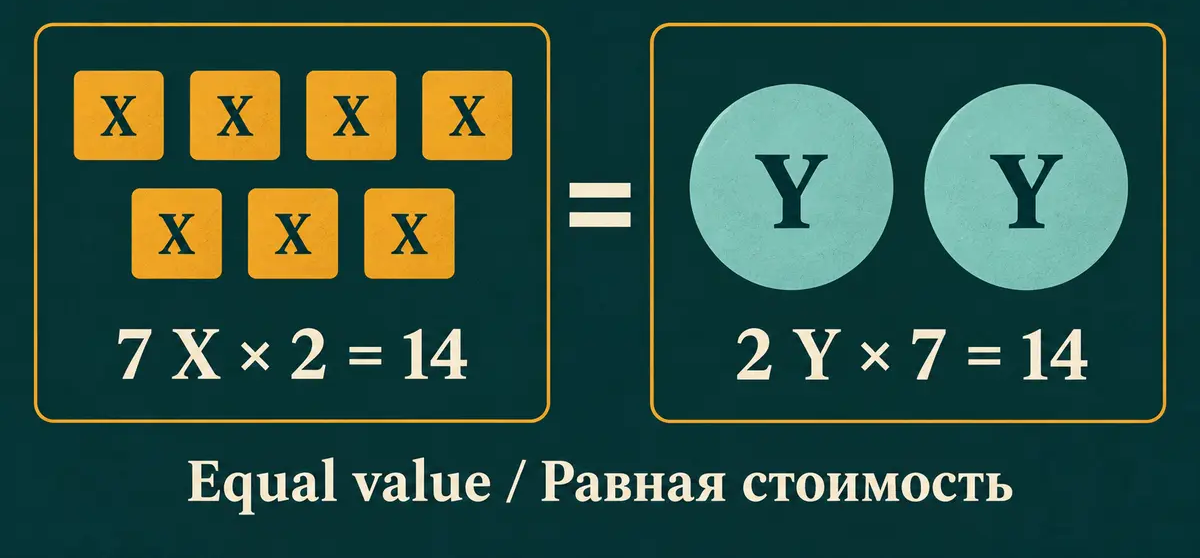
Equal Value Does Not Make an Exchange Work
A fictional whole-unit exchange separates balanced values from reciprocal demand. A mathematically valid package can still be unusable to one participant.

Five Tasks and Twelve Days
Tracing changes through a fictional five-activity schedule.

A Clean Sample Does Not Clear Every Item
A fictional twenty-item batch explains how random sampling can miss existing defects and why detection probability is not a verdict on every untested item.
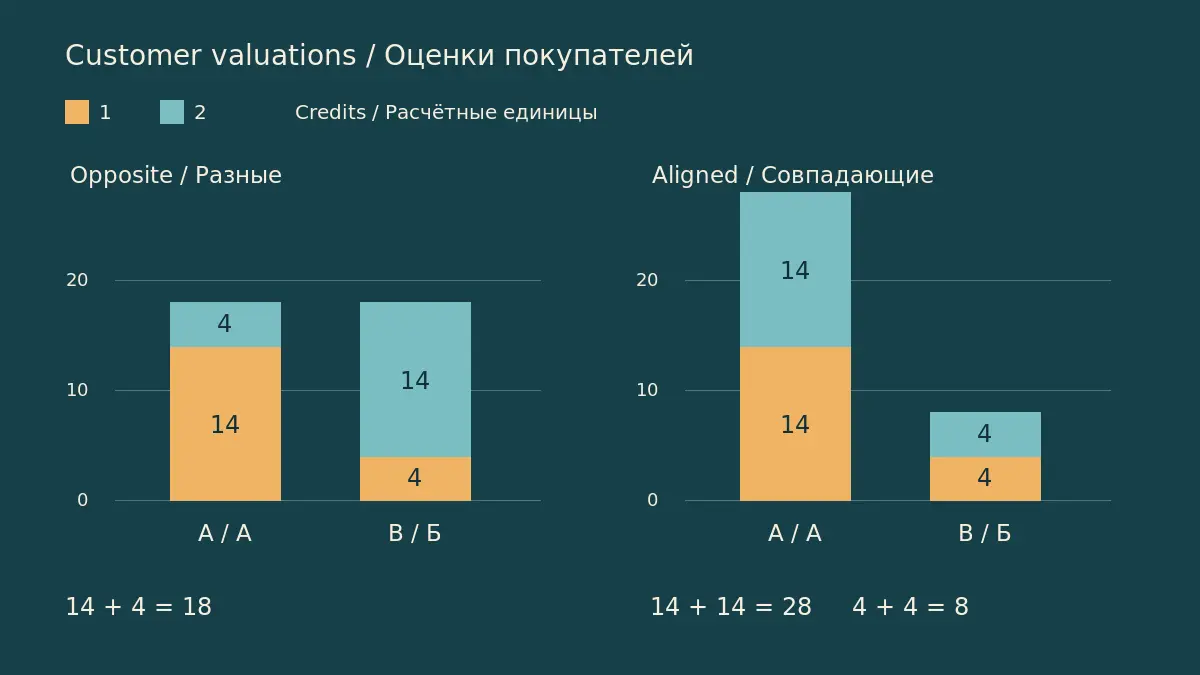
Different Tastes Can Make a Subscription Bundle Work
A package price depends on how customers value its parts. Different preferences, service costs and standalone alternatives change the result of selling a bundle.

FESCO linked Vietnam-origin containers to regular trains at Chengdu. July deliveries show a combined rail service, not one unchanged train along the whole trip.

More Oil Demand Still Leaves Another Product to Sell
A fictional two-output batch shows why an attractive order for one product cannot determine the incremental contribution of the complete bundle.

Choosing a Harvest Plan Without Assigning Odds
The strongest worst-case result and the smallest opportunity gap can favour different harvest plans. A three-scenario example explains the choice of decision rule.

Abrau-Durso Presents a Vine Nursery for Its Own Estates and Other Growers
The nursery programme combines internal planting needs with supply to other growers. Its grafting capacity and seedling targets describe different production stages.

The March 2025 airline-slot proposal focused on specific routes. Airport access matters commercially through the destination market a rival can use it to serve.

A Better Standard Can Still Be Hard to Choose Alone
A fictional coordination game explains why two firms can prefer the same shared configuration yet find a different matched choice stable against individual changes.
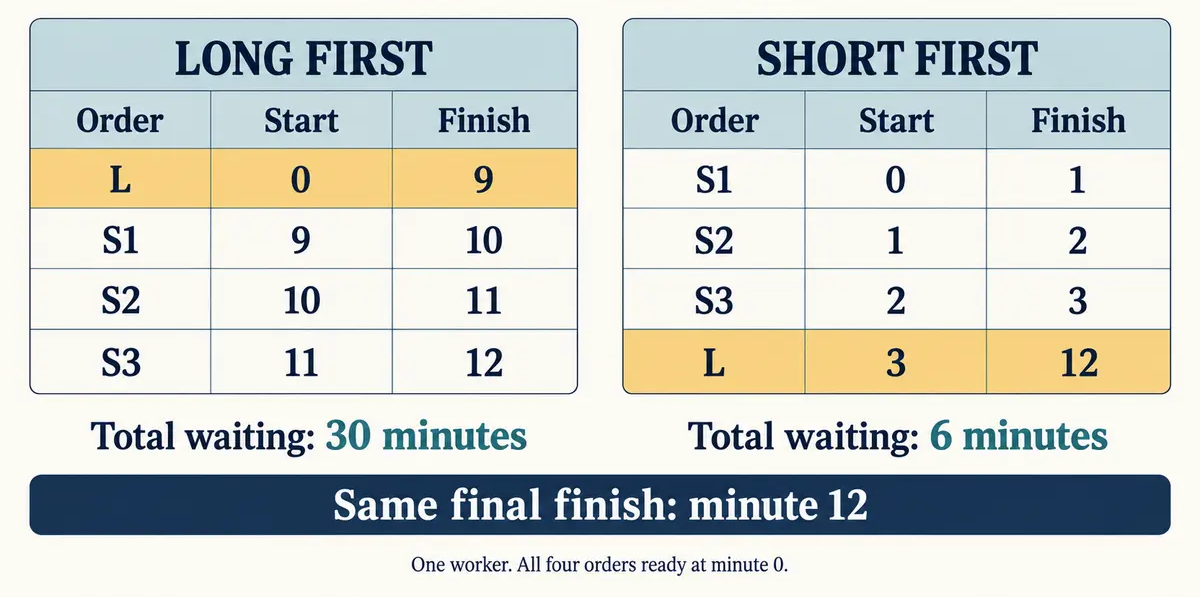
Less Waiting in the Same Twelve Minutes
A fictional service sequence reduces accumulated customer waiting without changing the workload or final finishing time, while making one customer's delay longer.

A Quicker Route Can Add Time to Other Journeys
A fictional three-vehicle model follows five minutes saved by one driver and ten minutes added to another journey, separating personal advantage from total travel time.

Michelin's November 2024 announcement covered two French plants and 1254 employees. Plans for worker support were commitments, not verified employment outcomes.
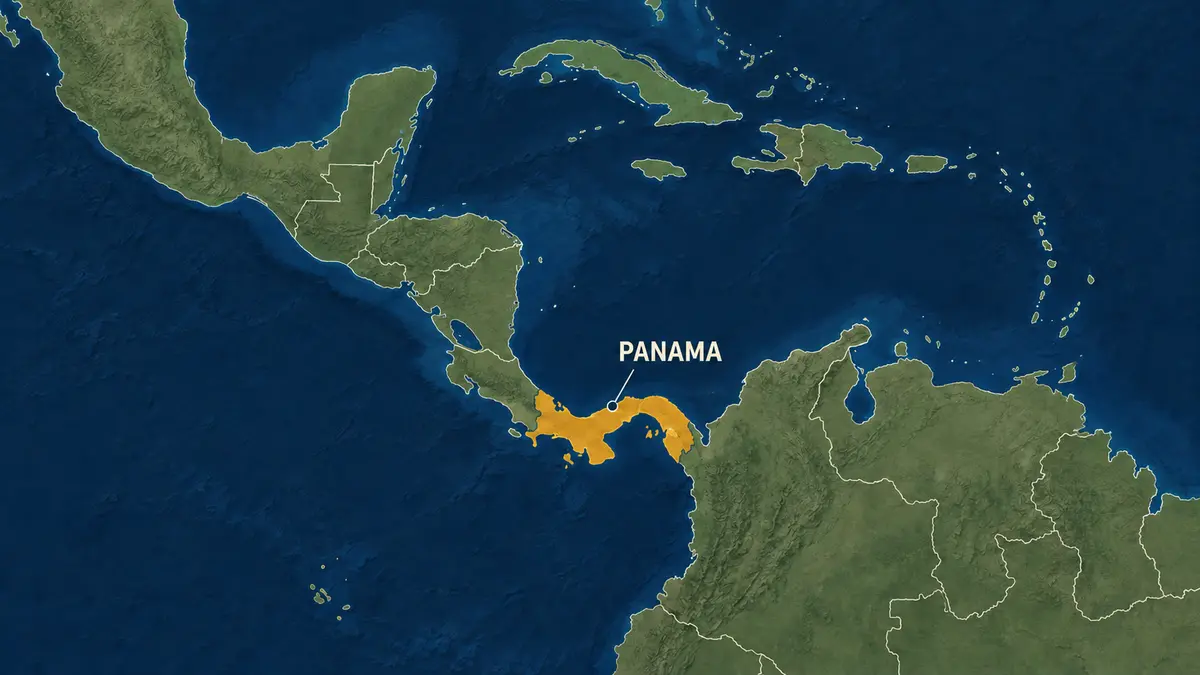
The Panama Canal reported higher profit in fiscal 2024 despite drought. Its financial result and the economic costs faced by route users are different measures.
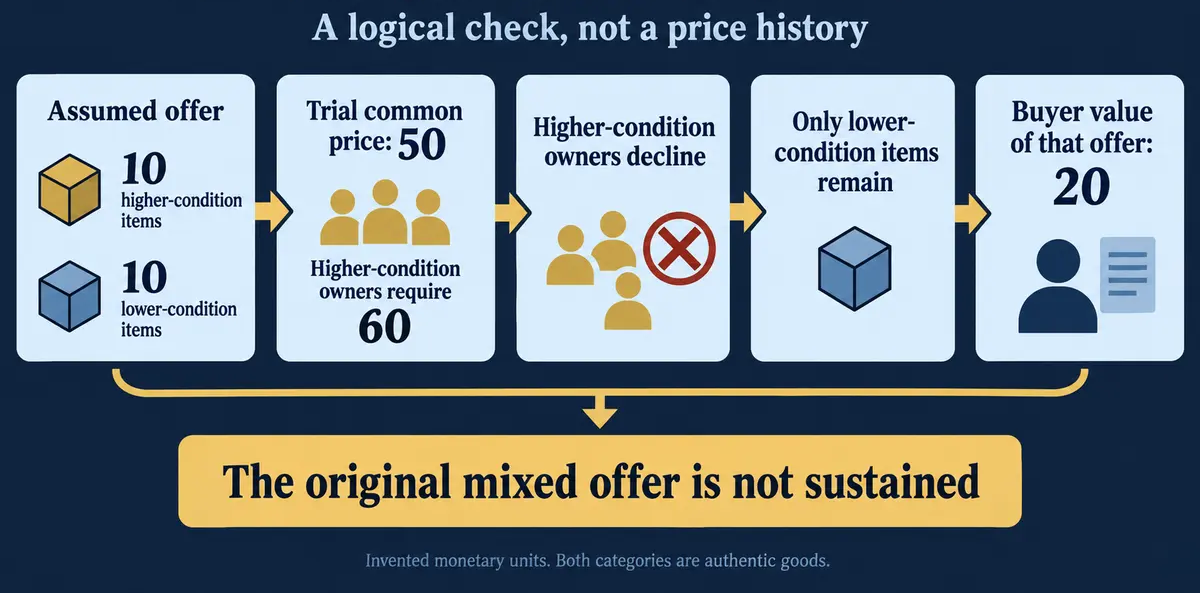
Why Better Goods Can Disappear from a Resale Offer
A fictional market shows how hidden condition and owners' minimum selling prices can remove better items from an unidentified offer, even when buyers would value them.

When a Hotel Discount Changes More Than One Price
A fictional hotel illustrates which price changes remain possible when sales channels are linked by conditions.

The Highest Estimate Carries a Different Error
An invented set of balanced estimation errors shows why selecting the highest report changes its average error, and why shared errors produce a different result.

Spain's Cooking-Oil Switch Reaches Beyond the Shopping Basket
A mixed basket raises different questions from a complete switch. An analysis of assortment, pack sizes and the evidence needed to understand changing demand.
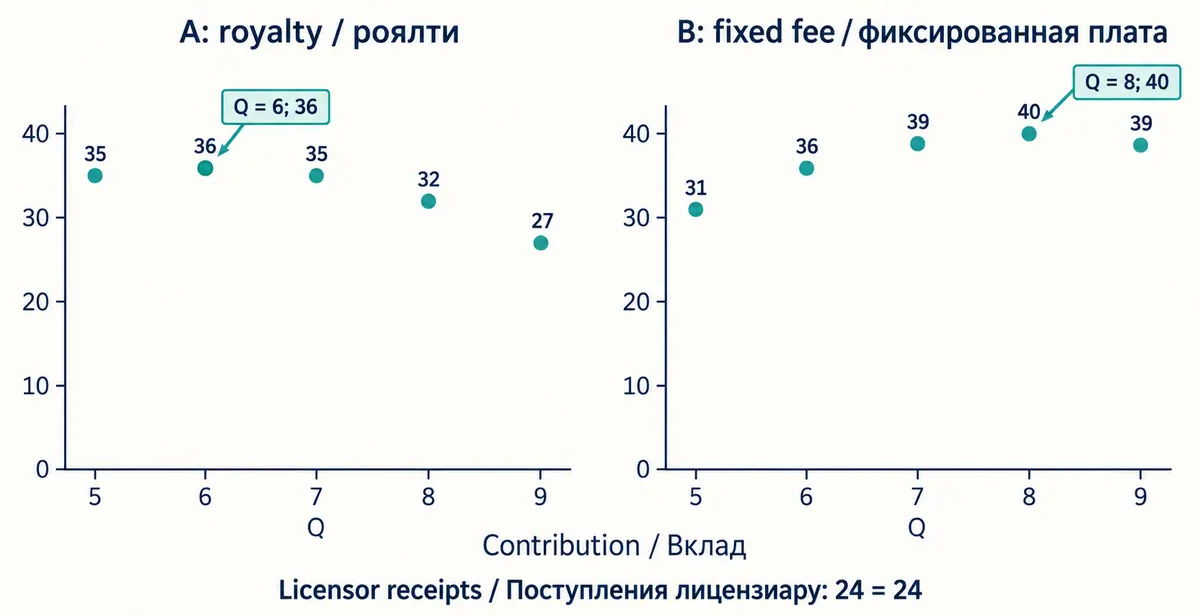
The Same Licence Income Can Leave a Different Production Incentive
Two fictional contracts deliver equal receipts to a technology owner but lead the manufacturer to choose different output quantities.

A January 2024 case focused on prices for paper and cardboard used in packaging, not a finding about finished-box prices or penalty already imposed on the mill.