
Mercedes-Benz sales and the electric rollout across markets
Regional sales and electric production programmes frame Mercedes-Benz’s latest quarterly results.

Markets. Decisions. Outcomes.
RUCoverage that moves from the first question to a closer examination.
Regional sales and electric production programmes frame Mercedes-Benz’s latest quarterly results.

Conditional remarks about assets leave authority, operating condition and the feasibility of a business restart to be established separately.
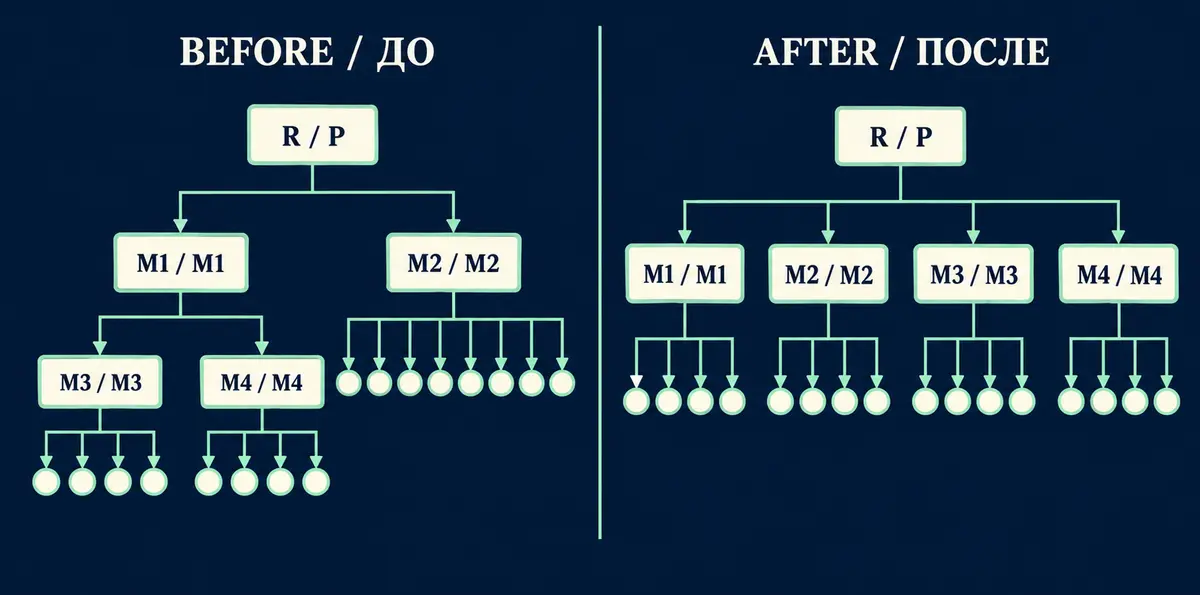
An invented reporting tree keeps twenty-one roles and twenty relationships while changing their distribution. A shorter hierarchy need not mean fewer managers or a larger maximum span.
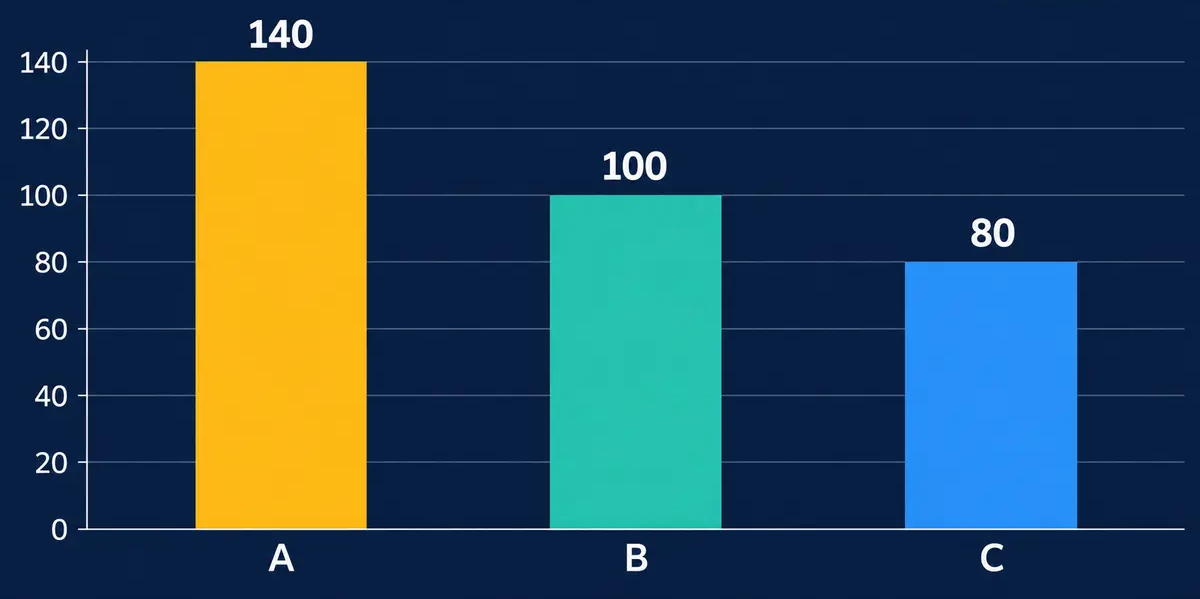
An adjusted prior-period base changes the meaning of a profit comparison. Reported and adjusted results become more useful when the bridge between them stays visible.

A reference index, an observation month and a billing base can move separately from actual fuel spending. Reading the formula clarifies what a surcharge comparison can establish.

Lower production starts can balance future supply without clearing cheese already in the cellar. Existing batches and new market trials need separate plans.

A discount on every unit can make a larger order cheaper. Compare the complete invoice with excess-stock costs, not just the advertised reduction in unit price.

Parcel dimensions and scale weight affect bills differently. This independent calculation shows when a smaller box lowers transport costs and when savings stop.

Two customers can share less capacity when their busy periods differ. Equal total work does not mean equal peak demand, and access guarantees change the result.

A site's standalone reach can mislead when delivery areas overlap. Comparing complete pairs reveals which locations add genuinely different addresses.
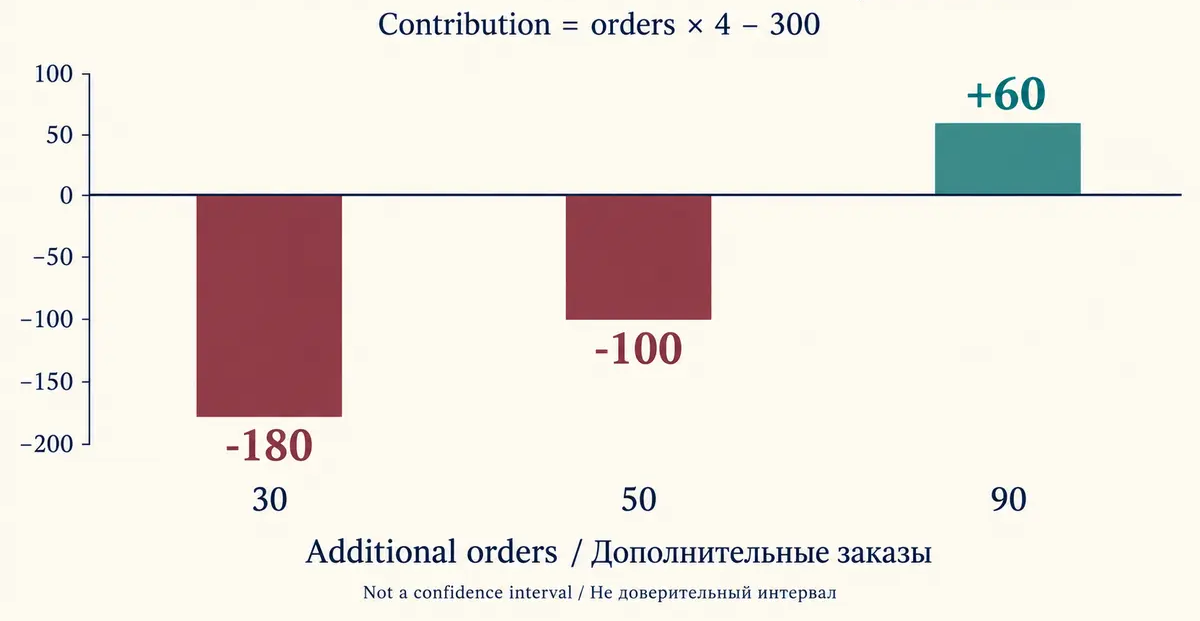
A fictional randomised comparison follows an estimated order increment through to campaign contribution, keeping attribution counts and statistical uncertainty separate.
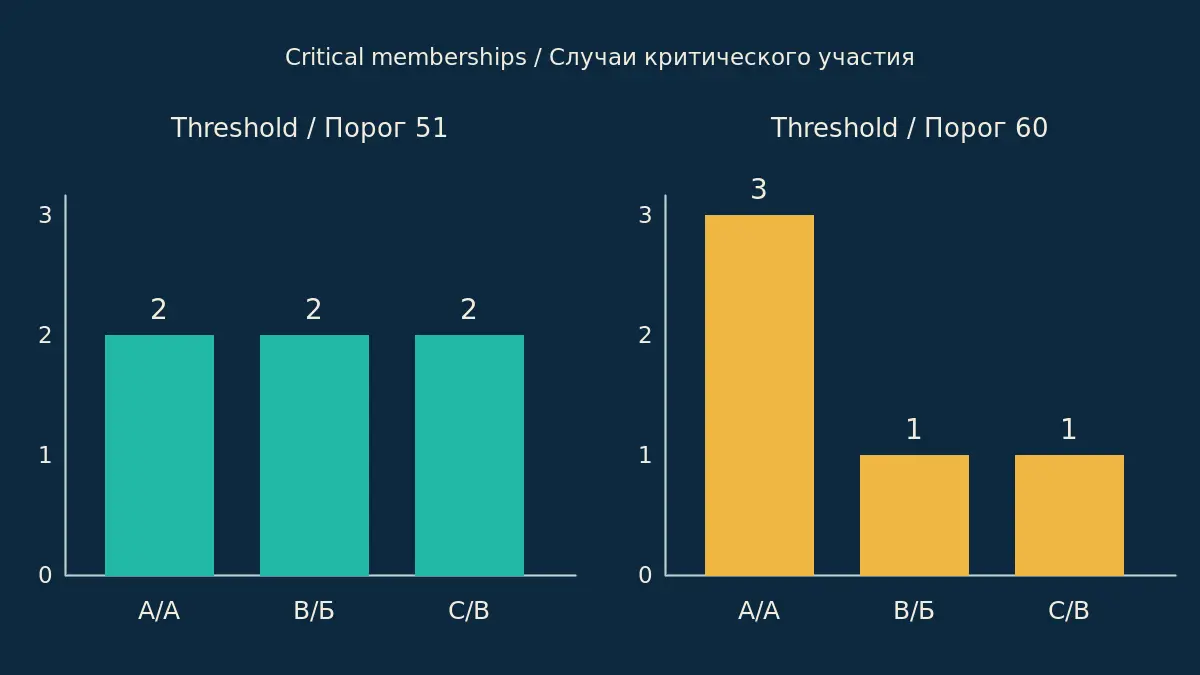
An invented register compares two thresholds.

Finishing a loss-making project can beat exit. Compare remaining payments, recoveries and refunds without letting irrecoverable past spending decide the result.

A fictional three-worker plan shows how connected reassignments can fill an extra position, and when missing compatibility makes that improvement impossible.

Information can improve an investment decision only while the relevant choice remains open. A fictional repurchase exercise separates timing, value and feasibility.

Initially equivalent euro and dollar invoices can shift different amounts between buyer and seller after a currency move. The currency of costs changes the margin too.
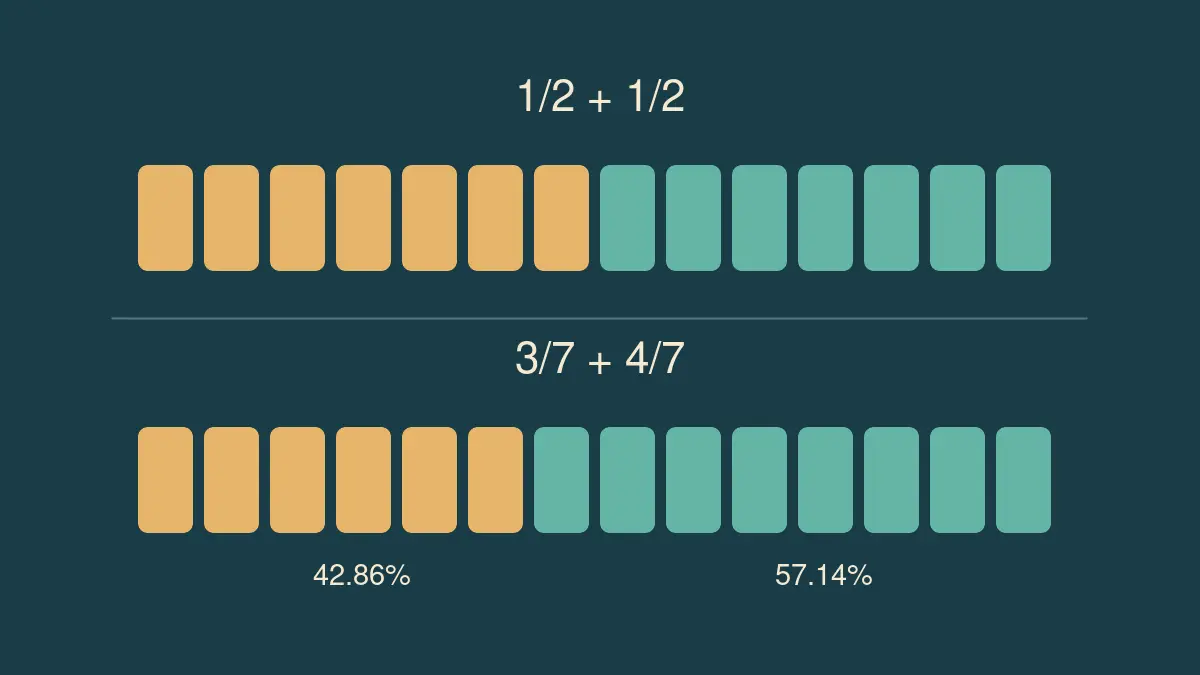
A lower input price does not ensure a cheaper finished blend. Changed quality can require more expensive material to meet the same specification and order size.

Preparing collected glass before a long journey can change transport costs and acceptance risk. The whole route, not one freight quote, determines the economics.

A fictional two-harvester comparison separates immediate revenue from the value of what remains, showing when individual and joint incentives diverge.

Following the same accounts across periods separates continuing purchases, temporary absence and new demand. A rising average cannot explain those movements alone.
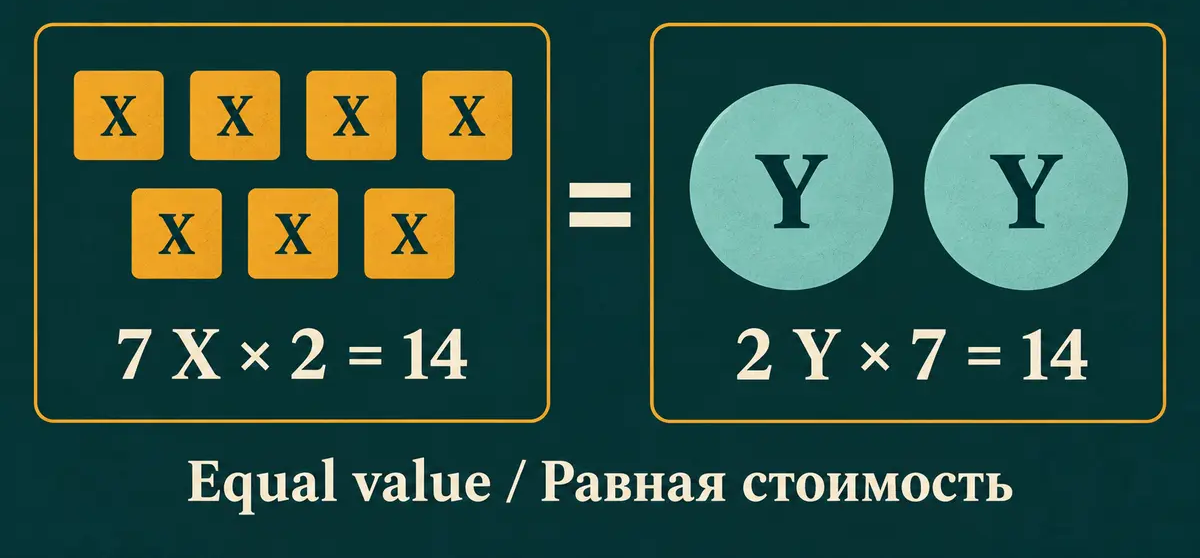
A fictional whole-unit exchange separates balanced values from reciprocal demand. A mathematically valid package can still be unusable to one participant.
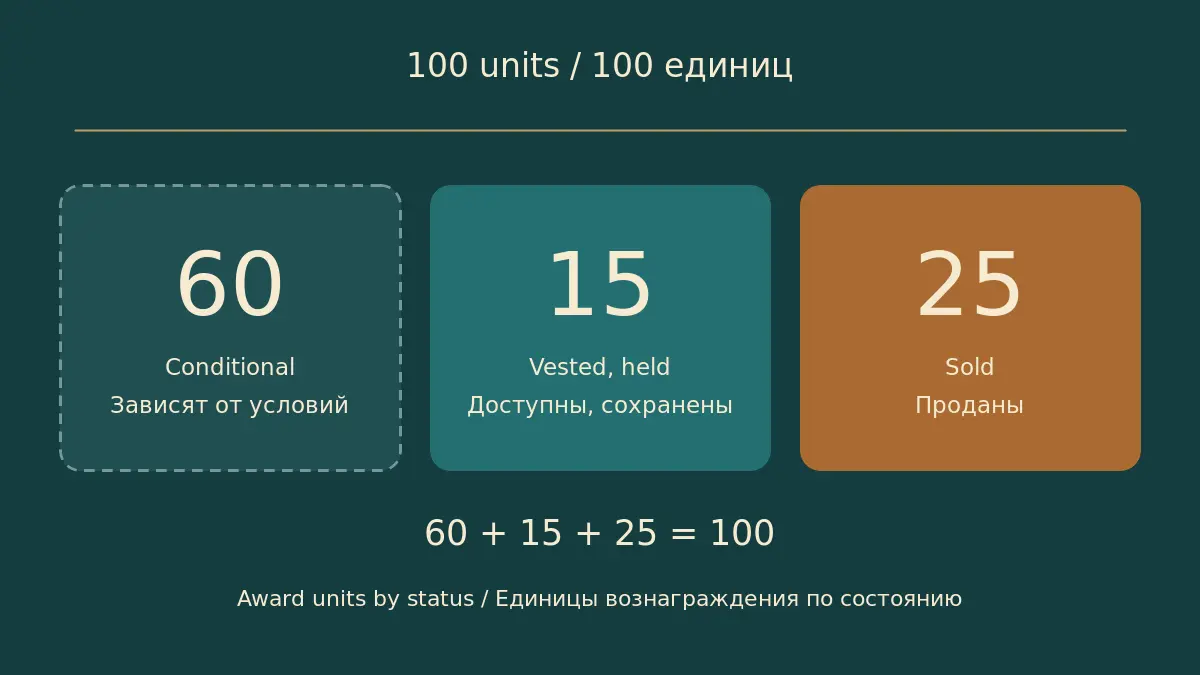
Tracking awarded units through vesting and sale reveals why a reference share value and later sale proceeds cannot be counted as two separate payments.

Tracing changes through a fictional five-activity schedule.

Reusable equipment can release capital when it returns sooner. The lasting benefit depends on service quality, purchase needs and the timing of supplier payments.

A fictional twenty-item batch explains how random sampling can miss existing defects and why detection probability is not a verdict on every untested item.
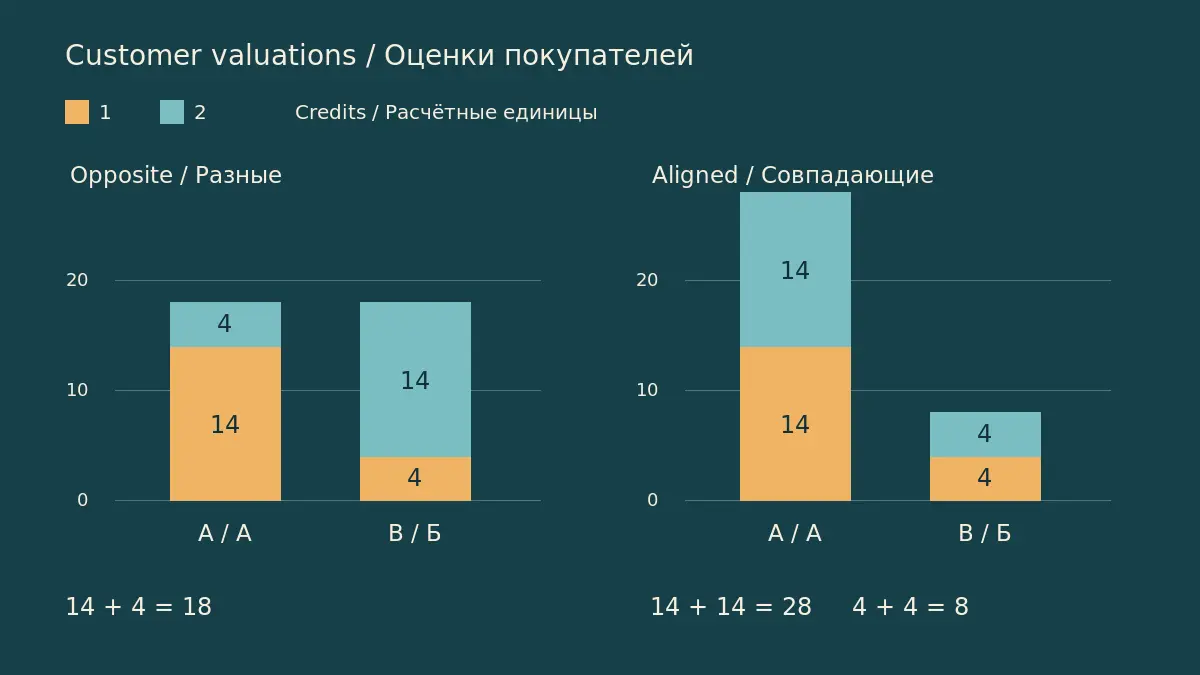
A package price depends on how customers value its parts. Different preferences, service costs and standalone alternatives change the result of selling a bundle.

A fictional two-output batch shows why an attractive order for one product cannot determine the incremental contribution of the complete bundle.

Two populations with unchanged detection rates produce different proportions of true alerts, showing why the denominator matters when assessing a signal.

The strongest worst-case result and the smallest opportunity gap can favour different harvest plans. A three-scenario example explains the choice of decision rule.

A fictional coordination game explains why two firms can prefer the same shared configuration yet find a different matched choice stable against individual changes.
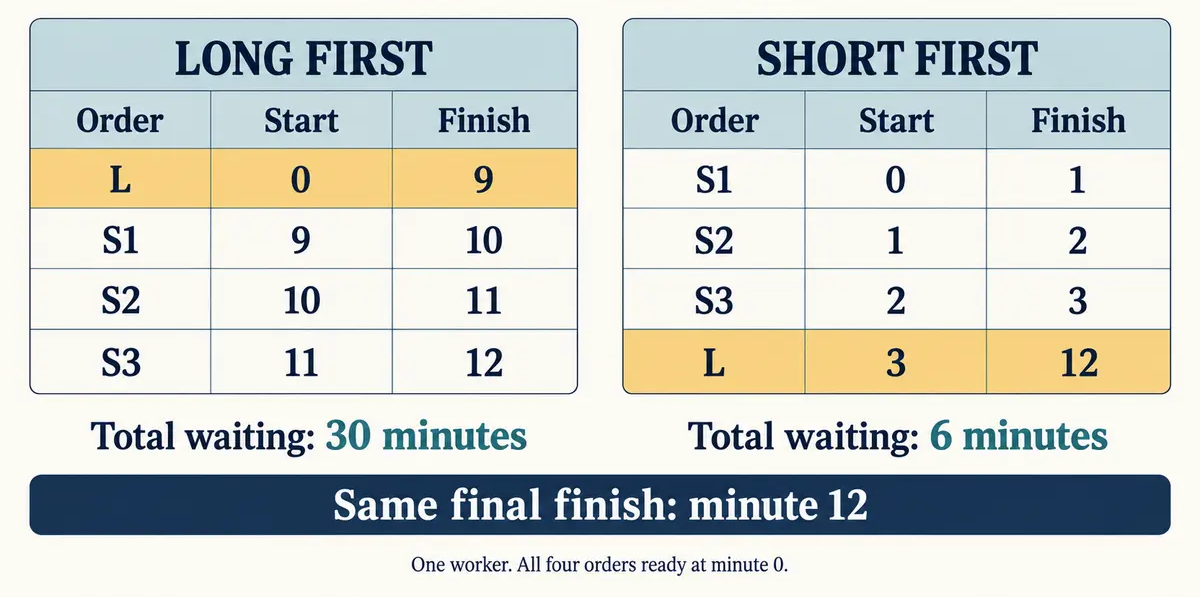
A fictional service sequence reduces accumulated customer waiting without changing the workload or final finishing time, while making one customer's delay longer.

A fictional three-vehicle model follows five minutes saved by one driver and ten minutes added to another journey, separating personal advantage from total travel time.

Diamond output, sales weight and revenue measure different things. A changing assortment can lift the average selling price without raising comparable prices.

Internal financing puts expansion on the same cash calendar as stock, maintenance and customer receipts. A fictional budget shows why timing changes the decision.
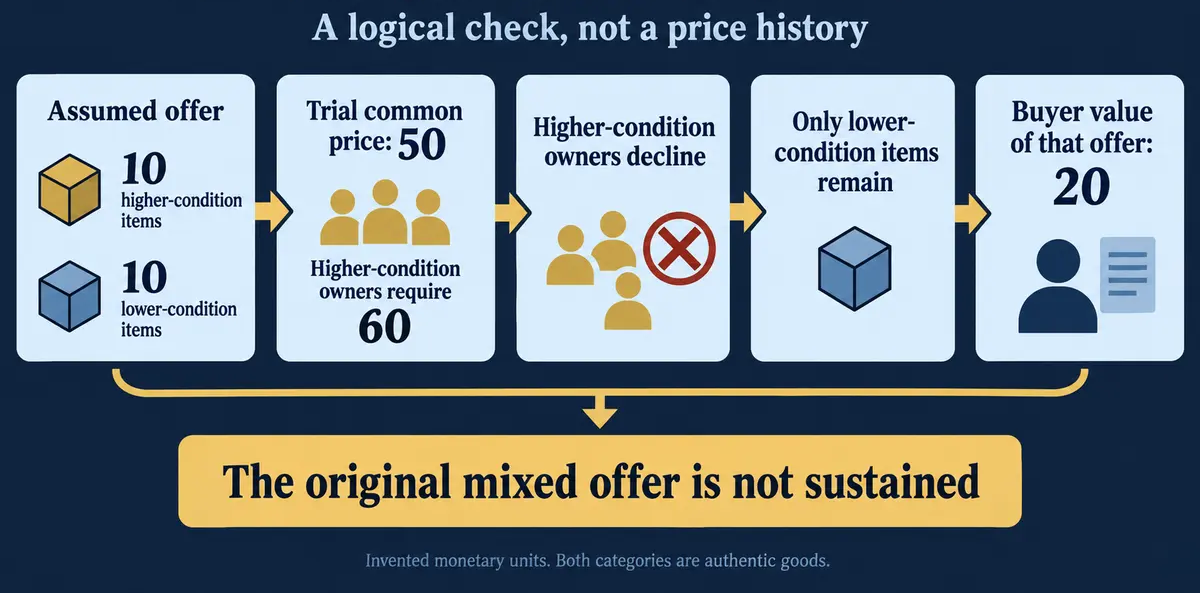
A fictional market shows how hidden condition and owners' minimum selling prices can remove better items from an unidentified offer, even when buyers would value them.

A supply warning becomes useful when it meets a factory's calendar. Accepted stock, release dates and delivery evidence reveal gaps that total tonnage can conceal.

A fictional hotel illustrates which price changes remain possible when sales channels are linked by conditions.

An invented set of balanced estimation errors shows why selecting the highest report changes its average error, and why shared errors produce a different result.

A fictional three-company ledger records payments of 100, 100 and 80 using one initial balance of 100. An agreed replacement of 20 reaches the same finish, but the two procedures have different starting requirements.

A mixed basket raises different questions from a complete switch. An analysis of assortment, pack sizes and the evidence needed to understand changing demand.
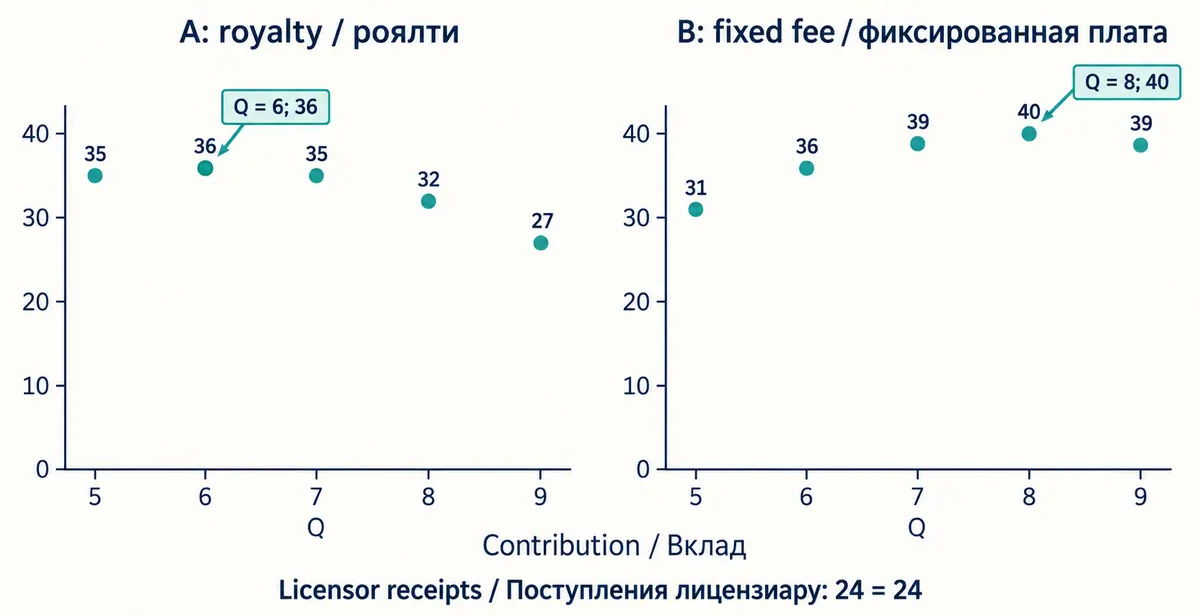
Two fictional contracts deliver equal receipts to a technology owner but lead the manufacturer to choose different output quantities.

Jamaica's experience after Beryl in 2024 shows why damage, contractual payment conditions and the timing of recovery spending must be examined separately.

Removing a recording-media requirement leaves questions about receipts, corrections and historical records. A fictional trial separates uploads from accepted cases.
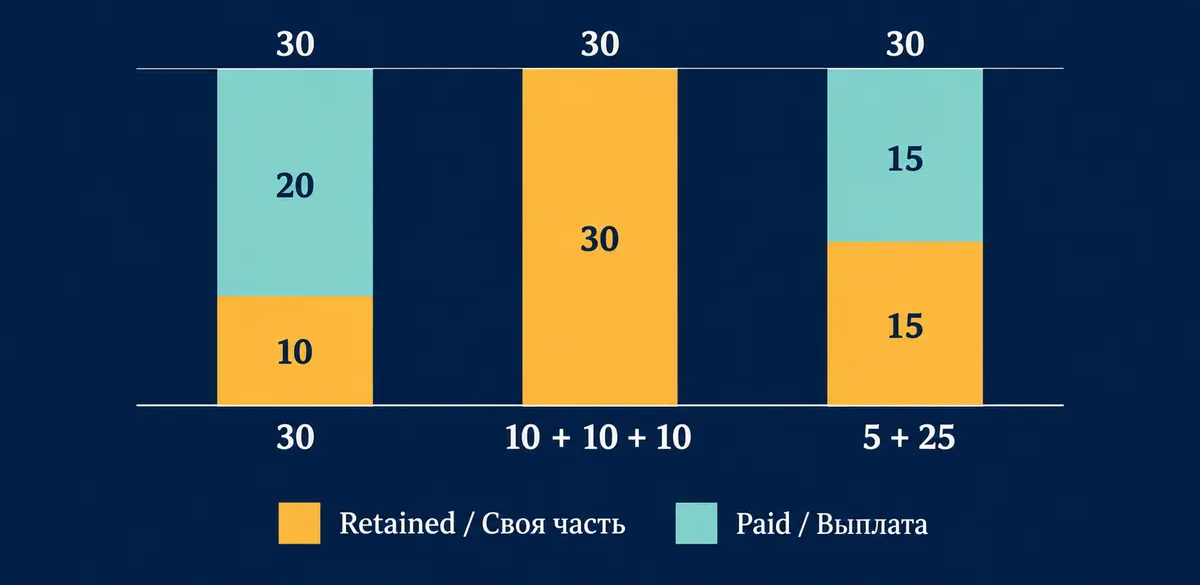
A fictional per-event deductible shows why annual damage totals cannot determine a buyer's retained repair costs without the pattern of individual losses.

An offer for shares and a payment for assets have different recipients. A worked example follows cash, debt and the residual available to the owners.

A worked repair-financing example separates production gains, asset-sale proceeds and instalments to explain why affordability and economic value are different.

The 2024 debate over concentrate terms shows why contract exposure, timing and processing income need to be examined separately from the value of copper.