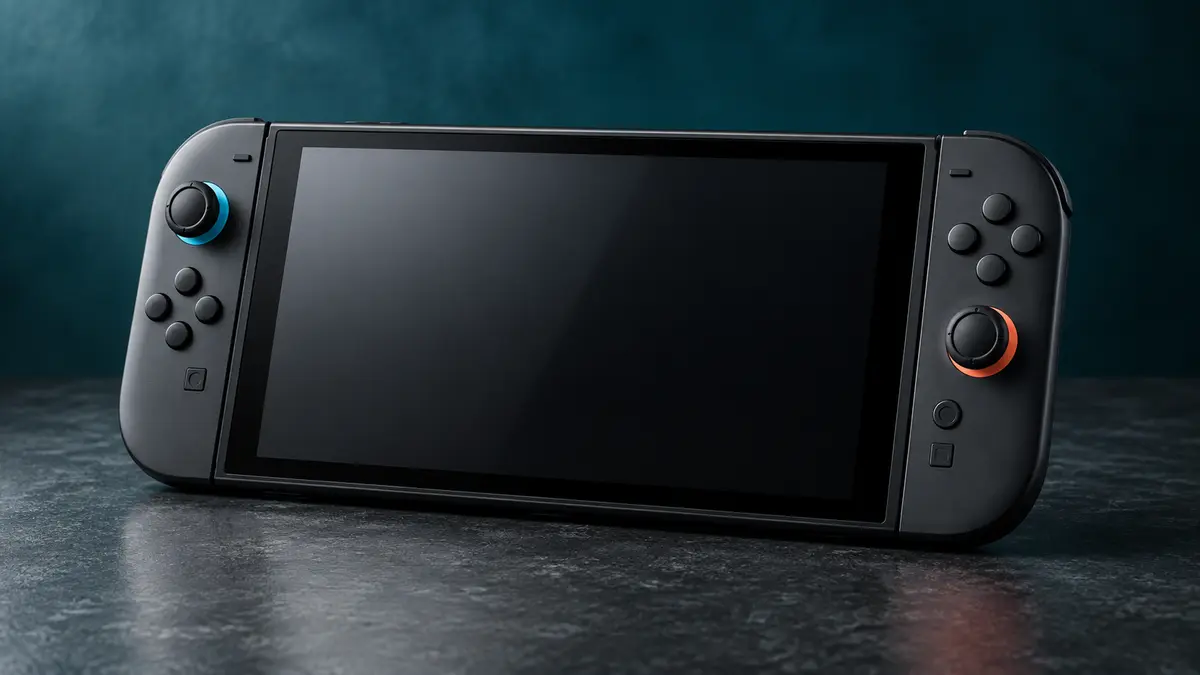
Nintendo received 2.2 million applications for its Switch 2 lottery in Japan, Reuters reported on April 23, 2025. The company said demand through My Nintendo Store exceeded expectations and the quantity available for launch-day delivery.
A draw allocates access, not additional stock
The commercial question is how to handle interested customers when the first available batch cannot accommodate everyone. A lottery changes the route to an allocation; it does not manufacture more consoles. That distinction puts customer communication alongside physical fulfilment as a practical part of a constrained release.
The following discussion is editorial analysis of allocation, not a description of Nintendo's detailed lottery rules. An application registers an attempt to obtain access. A completed purchase requires further steps. Treating the applicant total as a sales total would therefore skip the very process that the draw is intended to manage.
What a customer still needs to know
For any limited-stock draw, useful communications answer several different questions rather than treating an entry confirmation as the end of the transaction:
- Has the application been received, and how will its outcome be communicated?
- Does a successful result reserve a product, and what action must the selected customer take?
- When does an allocation expire if the customer does not complete that action?
- What should an unsuccessful applicant do next, if another opportunity is offered?
These are questions to check against the actual terms, not promises about this particular sale. The distinction is especially important for someone making plans around a gift or a collection trip: willingness to buy, permission to order and a confirmed delivery are separate states.

The denominator matters
The applicant count alone cannot establish an individual's chance of success. That calculation would also need a defined allocation and the applicable selection rules. Nor does one company's direct-store draw provide a census of every retail channel. Expanding its scope to an entire market would require information beyond this announcement.
A useful follow-up would track what happened after selection: how many offers became orders, how many were fulfilled and whether unclaimed allocations were offered again. Those are proposed reporting measures, not figures disclosed here. They would help distinguish a busy registration stage from a completed distribution process without dismissing the interest expressed by applicants.
Reading an April snapshot
This report concerns the pre-launch situation described in April 2025. It does not establish later availability, eventual sales or how long any shortage lasted. The immediate business issue is narrower: a seller must translate an oversubscribed application process into clear individual outcomes. Customers need an answer about their own allocation, not only a large aggregate number.