
Singapore introduced a single permit for land intermodal transhipments on 1 January 2025. The procedure covers Woodlands and Tuas, replacing separate importation and exportation permits. A 20 December announcement projected savings of up to S$40 per shipment and S$2 million annually across industry, alongside a 50% reduction in permit preparation time. Those were anticipated administrative benefits, not measured reductions in checkpoint queues.
The agencies developed the change following industry feedback. Their regulatory review work includes an inter-ministerial committee established in April 2024.
Economic-zone agreement announced
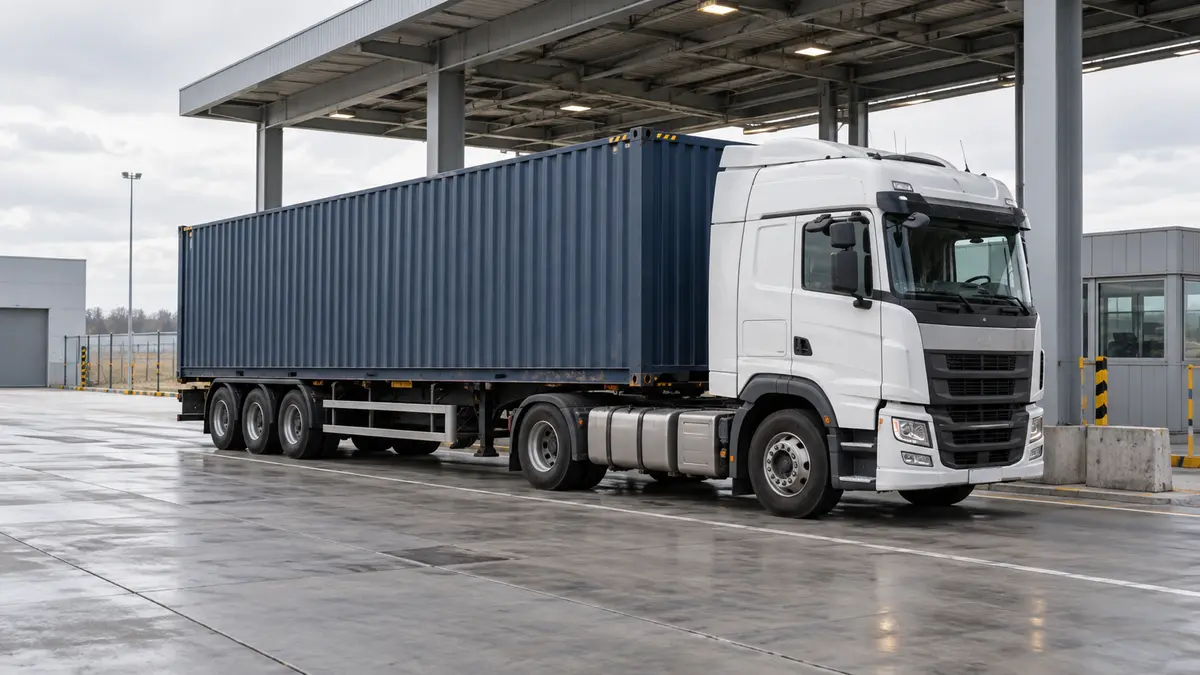
On 7 January, Reuters reported the announcement of the Johor economic-zone agreement with Malaysia. Economic Minister Rafizi Ramli described ambitions for manufacturing, logistics, tourism and the energy transition. The countries targeted 50 projects within five years and 20,000 skilled jobs. These were development objectives, not completed investments or existing employment.
Rafizi said Malaysia would establish an infrastructure fund for companies setting up in the zone. Singapore would establish a separate fund supporting investments and Singaporean businesses operating in Johor. The announcement accompanied Prime Minister Lawrence Wong's visit and discussions with Prime Minister Anwar Ibrahim.
Border initiatives have different implementation stages
The official agreement factsheet identifies further cooperation:
- Increasing clearance capacity and introducing automated immigration lanes and paperless goods clearance in phases.
- Studying whether more commercial vehicles could use the Second Link.
- Exploring customs data sharing within both countries' regulatory requirements.
Malaysia also plans a one-stop investment facilitation centre in Johor for companies establishing or expanding operations. Ministers signed the agreement on 6 January; leaders witnessed its exchange on 7 January. Ratification remained outstanding, with completion targeted for the third quarter of 2025.