On 16 May 2024, Interfax reported the launch of serial vacuum cryopump production at NTK Kriogennaya Tekhnika in Omsk, Russia. The Industrial Development Fund put investment at RUB140 million, including a RUB70 million loan. NTK previously made pumps for individual orders; applications included optical coatings and electron microscopy.
An existing engineering history
In a 2017 conference paper, company engineers described autonomous refrigeration systems with a closed working-gas circuit, electronic control, component diagnostics and integration into larger vacuum installations. They also described customised modifications and servicing. These historical manufacturer statements do not establish specifications or commitments for the new range.

How cold surfaces create a vacuum
Equipment manufacturer Leybold's technical explanation describes gas becoming bound to cold surfaces, rather than remaining free in the chamber. Captured gas accumulates and must eventually be removed during regeneration. Pumping speed and gas capacity describe different characteristics: how quickly a pump captures gas and how much it can retain. This explains the equipment class, not the performance of an Omsk product.
Different ways to retain gas
- Condensation binds molecules on sufficiently cold surfaces.
- Adsorption binds them to another material, including porous adsorbents.
From earlier equipment to the new programme
The 2017 authors reported more than thirty years of development and manufacture, with hundreds of pumps operating. Their installations included coating equipment and test chambers.
Annual output was targeted at up to 100 pumps by 2026.
Optical applications
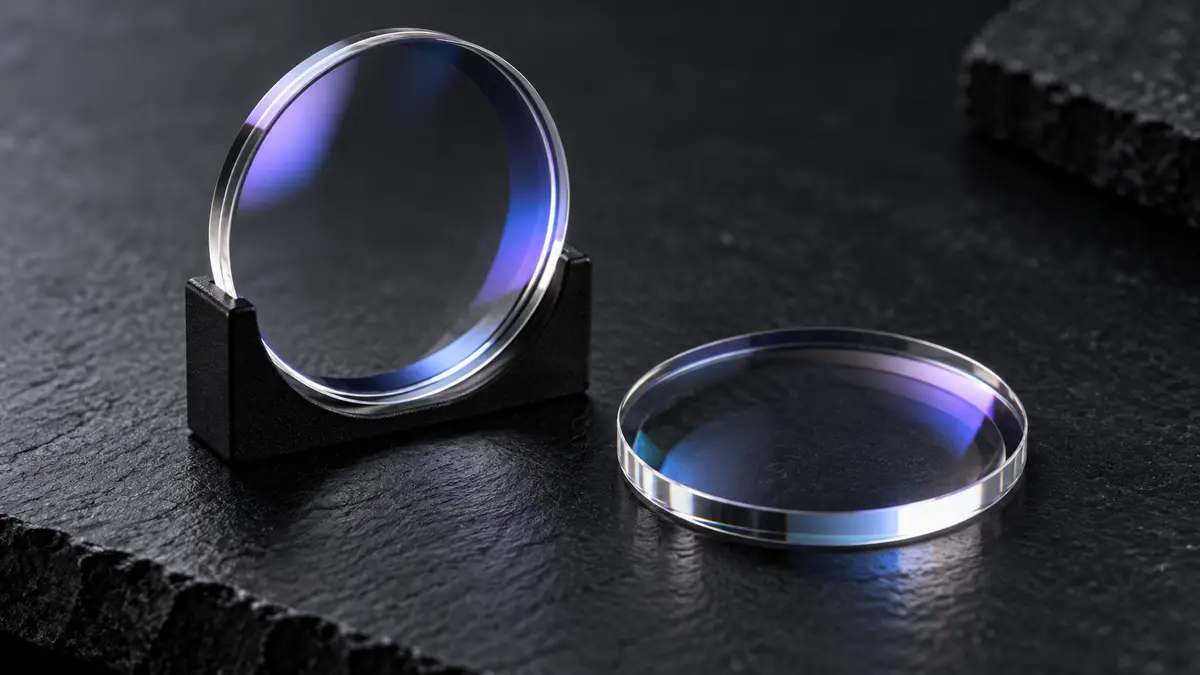
Leybold's separate account of optical coating describes vacuum processes that apply thin layers to lenses and mirrors, changing their reflection or transmission of light. Anti-reflective coatings are one application. That industrial context is relevant to the product category; it does not identify customers or contracts for the Omsk manufacturer.