

On 27 January 2026, Reuters reported minister Oksana Lut's statement that Russia was discussing seeds and technology with Egypt to support domestic production. This described talks, not a completed programme or measured harvest improvement.
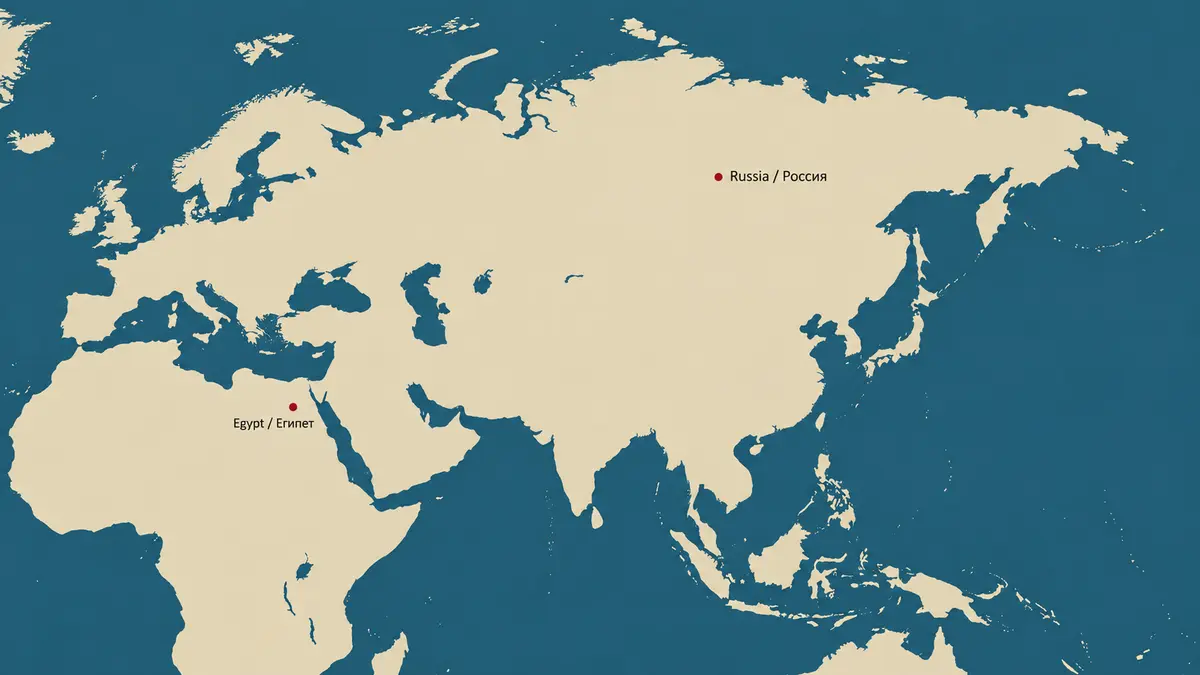
A country-level customer is not a single account
The strategic question is whether an exporter can support a partner's productive independence while retaining a commercial role. This interpretation does not establish an actual transition.
Country-level trade language compresses many relationships into the word customer. It does not identify the organisation that would purchase a proposed input, choose a technology or use it. A grain importer and a prospective participant in a production project need not be the same organisation. Reading the announcement as an ordinary extension of one sales account would therefore skip an important question about who the commercial counterpart actually is.
Different objectives can produce conflicting assessments
An established supply business may evaluate an account through repeat orders. A team developing a different offer needs to establish who could use it and what problem it would solve. These are analytical questions, not descriptions of the organisations involved in the talks. One score cannot automatically answer both. A favourable assessment requires an explanation of the intended role, rather than a convenient choice of whichever measure improves.
- Who would make the purchasing decision for the proposed offer?
- Which customer need would it address?
- What evidence would distinguish a changed relationship from a lost one?
Do not infer causation from fewer shipments
A later change in delivery volumes, considered by itself, would not identify its cause. Demand, competing suppliers and the timing of purchases are alternative explanations that an assessment would have to investigate. Nor would an expression of interest in a new offer establish recurring demand for it. Comparing the two requires evidence about the relevant buyers and their decisions, not merely two national totals moving in opposite directions.
The useful test is thus organisational as well as commercial: can the parties identify a specific need and the actors responsible for addressing it? That keeps attention on the substance of cooperation without presuming either a successful transformation or an unavoidable loss of business. It also leaves room for different relationships to coexist, rather than forcing every development into a single verdict about whether trade is growing or shrinking.