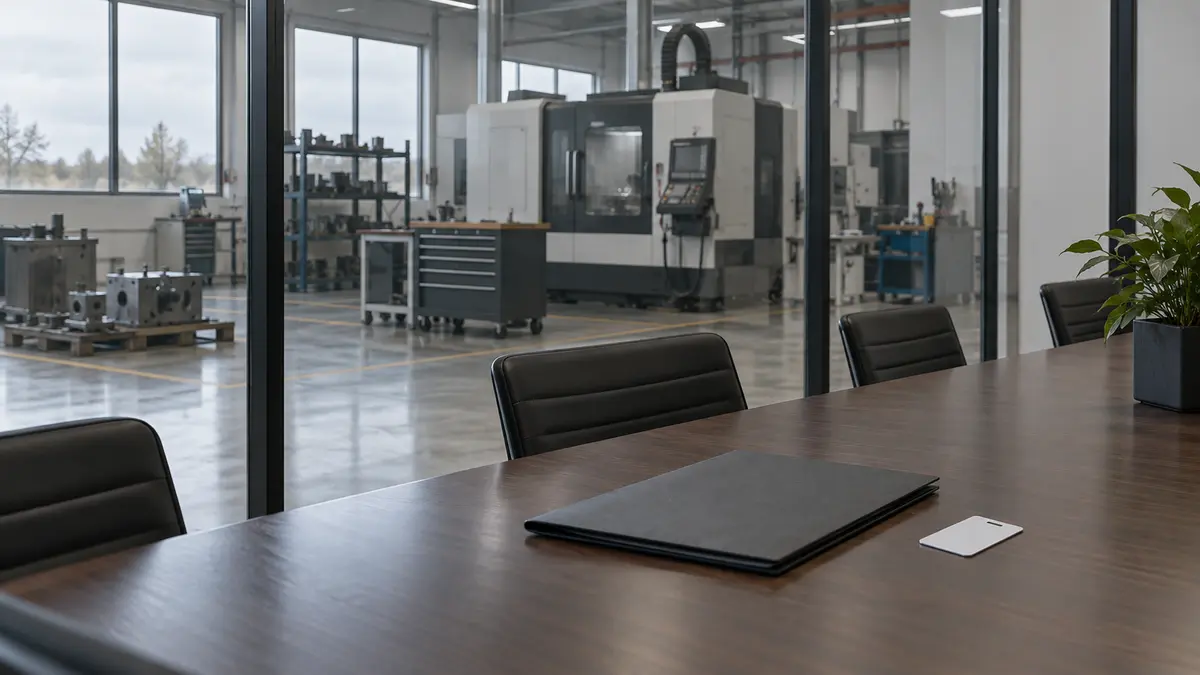
Schwarz Group, which owns Lidl, plans to invest up to €5.6 billion in a data centre near Rostock in Germany. Reuters reported that construction is scheduled to begin in 2027, with 120 jobs expected. The announcement sets a 240-megawatt target for 2033.

Dummerstorf site under consideration
The company's statement identifies an industrial park in Dummerstorf as the proposed location. Approvals remain necessary; the exact cloud and artificial-intelligence chip configuration is undecided. The wider partnership with Mecklenburg-Western Pomerania also includes administrative services planned for the end of 2026:
- Digital building permits using the STACKIT cloud platform.
- OpenDesk deployment, beginning with managed teacher workstations.
A letter of intent with Rostock's utility concerns using recovered heat. It is a prospective arrangement, not an announcement that municipal heat deliveries have started.
A separate development in Lübbenau
The northern proposal follows another infrastructure commitment. Lübbenau's municipality reported a groundbreaking ceremony on 17 November 2025 for a separate €11 billion Schwarz Digits development. That project occupies a former power-station location and is intended for cloud services and artificial-intelligence applications.
The municipal account highlighted existing energy and network infrastructure, alongside the site's position between Berlin and Dresden. Nearby motorway and railway connections and access to data nodes were among its stated advantages for construction, operations and technical connectivity. These are characteristics of the Lübbenau project, not specifications for Dummerstorf.
The digital division behind the expansion
Schwarz Group established Schwarz Digits in September 2023. At its formation, the division brought together 7,500 employees under co-chief executives Christian Müller and Rolf Schumann. Its businesses included STACKIT, cybersecurity provider XM Cyber, Lidl and Kaufland e-commerce, as well as Schwarz Media.
The founding announcement described a business developed from the group's internal technology needs: solutions would be offered externally after proving stable and useful within its own infrastructure.